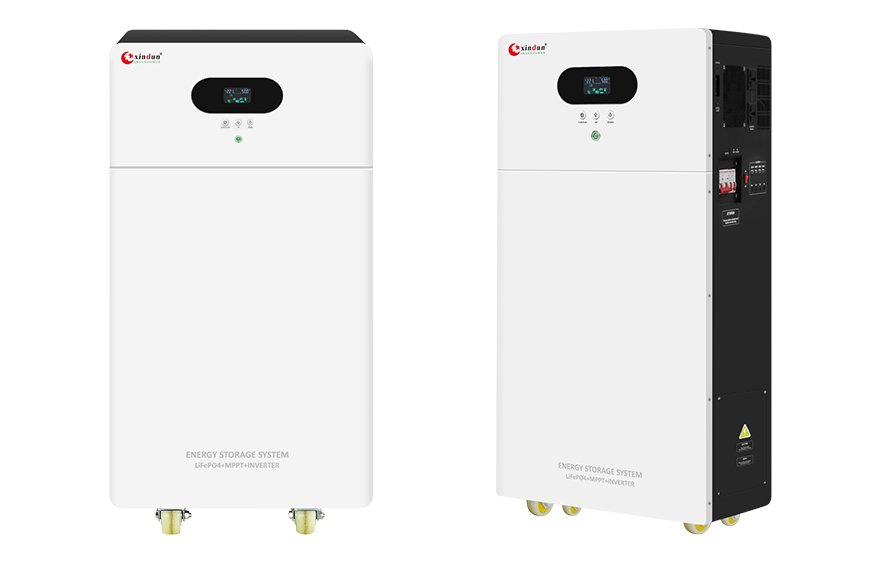
Imagine a world where power outages don't mean a scramble for candles, where your adventures take you far off the grid without sacrificing comfort, or where you can seamlessly transition to sustainable energy at home. That world is here, powered by advanced 5000-watt solar generators. These robust systems are changing how we think about portable and backup power, offering unparalleled freedom and security.
A 5000-watt solar generator isn't just another gadget; it's a powerful statement of independence. Designed to deliver significant power output for a wide array of appliances, these units are becoming indispensable for everything from critical home backup during emergencies to enabling a fully functional off-grid lifestyle. Forget the noise and fumes of traditional gas generators – solar power provides clean, quiet, and dependable energy wherever you need it most.
Unlocking True Power Freedom with 5000W Solar Generators
At its core, a 5000W solar generator refers to a system capable of providing a substantial amount of electrical power, often indicating its peak or surge output. This means it can handle the initial power spike required by many larger appliances, like refrigerators or power tools, before settling into a lower continuous wattage. Understanding these specifications is key to matching a generator to your actual needs, whether it's powering essential household items or complex outdoor setups. To truly grasp the nuts and bolts of how these powerful units work, including their components and technical specifications, dive deeper into Understanding 5000W solar generators.
These generators are built around a high-capacity battery (often LiFePO4 for longevity and safety), a sophisticated inverter to convert DC solar power to AC household power, and an MPPT charge controller to maximize solar input. This integration creates a portable powerhouse that’s both efficient and incredibly versatile, making it a sustainable alternative to traditional fuel-based generators.
Your Life, Uninterrupted: Practical Applications for a 5000W System
The appeal of a 5000W solar generator lies in its diverse applications, bringing peace of mind and convenience to various aspects of your life. From keeping your home running during an unexpected blackout to powering your outdoor pursuits, these systems are engineered for real-world scenarios.
- Home Backup Power: When the grid goes down, a 5000W generator can keep crucial appliances running, from your refrigerator and freezer to medical devices and communication systems. It offers a cleaner, quieter alternative to gas generators for maintaining essential services.
- Off-Grid Living & RV Adventures: For those who embrace the open road or remote living, a 5000W unit provides the muscle to run air conditioners, microwaves, and even power-hungry kitchen gadgets, transforming your RV or cabin into a true home away from home.
- Emergency Preparedness: Beyond general home backup, these generators are vital for disaster readiness, ensuring you have access to light, heat, and communication when every other power source fails.
No matter your specific power challenge, a 5000W solar generator offers a robust solution. Discover more about how these powerful units fit into various lifestyles and situations with our comprehensive guide on Practical 5000W solar generator uses.
Navigating the Options: How to Pick Your Perfect Power Partner
Choosing the right 5000W solar generator involves more than just looking at the wattage number. It's about aligning the generator's capabilities with your specific demands for power, portability, and performance. Consider these crucial factors to make an informed decision and ensure your investment truly meets your needs. For a more detailed walkthrough of these considerations, be sure to read our full guide on how to Choose your 5000W solar generator.
Key Considerations When Selecting Your Generator:
- Power Output (Continuous vs. Peak): While "5000W" often refers to peak output, always check the continuous output. This is the wattage the generator can sustain over time. Ensure both figures align with your highest-draw appliances and average load.
- Battery Capacity (Wh): Measured in Watt-hours, capacity dictates how long your generator can run devices. For substantial needs, look for models offering 3600Wh to 5120Wh or even expandable options for extended runtime.
- Battery Chemistry (LiFePO4 is Key): Lithium Iron Phosphate (LiFePO4) batteries are the gold standard, offering significantly longer lifespans (3000+ cycles) and enhanced safety compared to other lithium-ion variants.
- Charging Speed & Solar Input: Faster charging means less downtime. Look for high AC input wattage (e.g., 1800W-2200W for 1-2 hour charges) and robust MPPT solar input (e.g., 400W-1000W+) to efficiently harness sunlight.
- Portability & Design: These powerful units can be heavy. Evaluate weight, integrated handles, or wheels if frequent movement is anticipated. Some modular systems allow for easier transport.
- Outlets and Expandability: Ensure sufficient and varied ports (AC, USB-A/C, 12V DC) for all your devices. Modular systems or those with expandable battery options provide flexibility for growing power needs.
- Durability, Safety & Brand Support: A sturdy build, advanced Battery Management System (BMS), and a solid warranty (2+ years) are indicators of a reliable, long-lasting product.
A Closer Look at Top 5000W Solar Generators on the Market
The market for high-wattage solar generators is thriving, with several brands pushing the boundaries of power, capacity, and features. Each model offers unique advantages, catering to specific user needs and preferences. From robust home backup systems to highly portable adventure companions, there's a 5000W-class generator for almost everyone. For an in-depth analysis and side-by-side comparisons of the leading models, don't miss our detailed guide that allows you to Compare 5000W solar generators Top 5000W.
Here's a brief overview of some standout options, highlighting their core strengths:
- OUKITEL P2001 Plus (2400W Cont./5000W Peak): A strong contender with a 2048Wh LiFePO4 battery, fast 1.5-hour charging, and a relatively lightweight design, ideal for versatile use.
- OSCAL PowerMax 6000 (6000W Cont./7200W Peak): Identified as a top choice, this generator boasts a massive 3600Wh capacity (expandable), ultra-fast charging, 120V/240V split-phase support, and a UPS function, making it superb for home backup.
- OUKITEL P5000 Pro (3600W Cont./5000W Surge): With a huge 5120Wh LiFePO4 battery and built-in UPS, it’s a powerhouse for extended use and seamless power transitions.
- Jackery HomePower 3000 / 3600 Plus / 5000 Plus: Jackery offers a range of high-capacity LFP options, known for their expandable battery systems (up to 60kWh for the 5000 Plus), smart app control, and robust continuous outputs, tailored for comprehensive home energy solutions.
These examples represent the cutting edge of solar generator technology, combining impressive power delivery with smart features and durable construction to meet demanding energy needs.
Maximizing Your Investment: Setup and Optimization Tips
Acquiring a 5000W solar generator is just the first step. To truly harness its potential, understanding proper setup, operation, and maintenance is crucial. From optimal solar panel placement to battery health best practices, a little knowledge goes a long way in ensuring efficiency and longevity. Factors like maximizing solar input with MPPT controllers, understanding different charging modes, and regularly monitoring your system through smart apps can significantly enhance performance. To get the most out of your powerful solar system, be sure to learn how to Setup and optimize your 5000W solar.
The Future of Portable Power is Here
5000-watt solar generators represent a significant leap forward in portable and sustainable power solutions. They offer a compelling blend of raw power, advanced battery technology, and smart features that empower you to live more independently, whether facing an emergency or embracing an adventurous lifestyle. As technology continues to evolve, these systems will only become more efficient, more affordable, and even more integrated into our daily lives, paving the way for a cleaner, more resilient energy future.