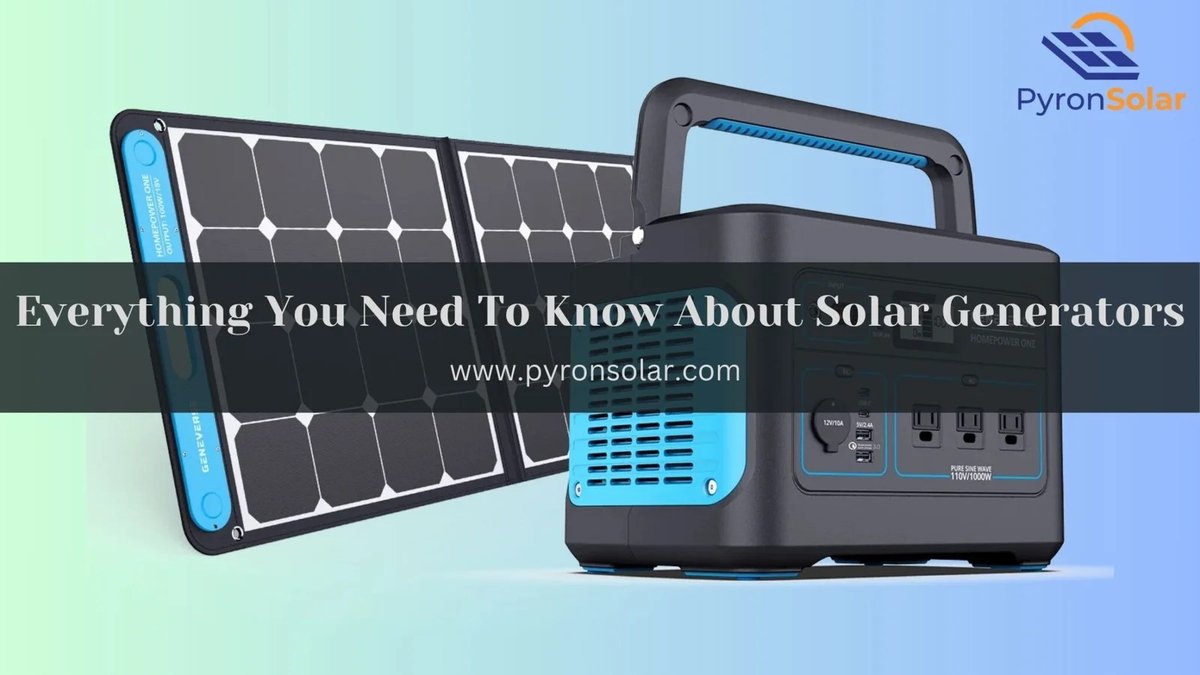
Forget the vague promises and complex jargon. You're here to understand the real deal about a 5000W solar generator: its cost, its true value, and what other options might serve you better. As a seasoned observer of the evolving energy landscape, I'm here to cut through the noise and give you a straight-talk guide on Cost Analysis, Value, and Alternatives to 5000W Solar Generators. This isn't just about watts and watt-hours; it's about making an informed decision that genuinely impacts your power independence and peace of mind.
Let's unpack what a 5000W solar generator can really do for you and whether it's the right investment for your needs.
At a Glance: Your Quick Takeaways
- Initial Cost: Expect a higher upfront investment compared to traditional gas generators, but the long-term savings often make them more financially efficient.
- True Value: 5000W solar generators offer significant advantages like silent operation, no fuel costs, minimal maintenance, indoor safety, and a much longer lifespan (10+ years).
- Key Applications: Ideal for whole-home essential backup, large RVs, off-grid cabins, and extended outdoor/remote work setups.
- Crucial Specs: Beyond 5000W output, focus on battery capacity (e.g., 3600Wh-5120Wh), LiFePO4 battery type, charging speed, and expandability.
- Alternatives: Consider smaller solar generators for lighter needs, full home solar + battery systems for complete grid independence, or traditional gas/propane generators if upfront cost is the sole driver (and you can tolerate the downsides).
Understanding the "5000W" Sweet Spot: More Than Just a Number
When you see "5000W" attached to a solar generator, it primarily refers to its continuous power output capacity. This is the maximum wattage it can consistently deliver to your appliances at any given moment. Think of it as the size of the "pipe" through which electricity flows. A 5000W generator can handle a substantial load, like a refrigerator (around 100-200W), a microwave (600-1500W), a coffee maker (800-1200W), lights, and even some power tools, simultaneously.
However, output power (watts) is only half the story. The other critical factor is battery capacity, measured in watt-hours (Wh) or kilowatt-hours (kWh). This tells you how long the generator can sustain that power output or run specific appliances. A 5000W output with too small a battery is like having a powerful engine with a tiny fuel tank. For extended use, particularly with a 5000W output, you'll want a battery capacity typically ranging from 3600Wh to over 5000Wh, with many models offering expandability far beyond that.
The 5000W category often represents a practical sweet spot for many users: powerful enough for most home essentials and larger recreational needs, yet generally more portable and less complex than full-scale home solar installations. For many, this level of power is what allows them to truly achieve energy independence and reliability. You can dive deeper into specific models and their capabilities as you Explore 5000-watt solar generators.
The Value Proposition: Why Invest in a 5000W Solar Generator?
The real question isn't just "how much does it cost?" but "what value does it bring?" A 5000W solar generator delivers substantial benefits that go beyond simple electricity, touching on security, savings, and sustainability.
Uninterrupted Power for Peace of Mind
Power outages, whether due to extreme weather or grid failures, are an unfortunate reality. A 5000W solar generator can be a game-changer for home backup, ensuring your critical appliances stay running.
- Home Essentials: Imagine keeping your refrigerator running for days, powering essential lights, charging communication devices, and even operating medical equipment like CPAP machines without interruption. Models like the OUPES Mega 5, with its 5,040Wh capacity and 4,000W output (expandable up to 45.36kWh), are designed specifically for whole-home backup scenarios.
- Emergency Preparedness: During natural disasters, when fuel supplies can be disrupted and gas stations out of service, a solar generator offers a self-replenishing power source, providing crucial resilience.
Freedom for Off-Grid Adventures and RV Travel
For those who embrace the open road or dream of a remote cabin, a 5000W solar generator unlocks unparalleled freedom.
- RV & Van Life: Say goodbye to expensive campground electricity hookup fees. A 5000W unit can power your RV's AC, microwave, and other comforts, eliminating over $1,000 per year in campground electricity and fuel costs. This offers genuine energy independence for adventurers.
- Off-Grid Cabins: For remote living, a robust solar generator can serve as a primary power source, providing clean, reliable electricity without the complexities of a full-scale residential solar system.
Clean, Quiet Power for Any Application
One of the most compelling advantages of solar generators is their operational quality compared to their noisy, fume-spewing gas counterparts.
- Silent Operation: Solar generators run silently, a stark contrast to gas generators that typically produce 60-90 dB of noise. This makes them ideal for residential areas, campgrounds, or any setting where peace and quiet are valued.
- Indoor Safety: With no emissions, solar generators are safe to use indoors, protecting your family from dangerous carbon monoxide fumes. This is a critical safety advantage, especially during severe weather.
- Environmental Impact: By harnessing renewable solar energy, you significantly reduce your carbon footprint, contributing to a cleaner planet.
For a broader perspective on the overall benefits, it's worth understanding if solar generators are truly worth the investment compared to other power solutions.
Deep Dive: Cost Analysis of 5000W Solar Generators
Now, let's talk numbers. The cost of a 5000W solar generator involves both the initial outlay and the significant long-term savings.
The Initial Investment: What to Expect
Solar generators typically have a higher upfront purchase price than comparable gas generators. This is primarily due to the advanced battery technology (LiFePO4 being the gold standard), sophisticated inverters, and integrated charge controllers.
- Price Range: While prices vary by brand, battery capacity, output, and features, a high-quality 5000W solar generator (including necessary solar panels) could range anywhere from $3,000 to $8,000+, or even more for expandable systems. For example, a model like the OSCAL PowerMax 6000 or OUPES Mega 5 falls into this premium category, offering robust power and extensive features.
- Factors Influencing Price:
- Battery Chemistry: LiFePO4 batteries, preferred for their longevity and safety, contribute to a higher cost.
- Battery Capacity: Larger Wh/kWh capacity means higher cost.
- Inverter Quality: Pure sine wave inverters, essential for sensitive electronics, are standard in quality units and impact price.
- Brand & Warranty: Reputable brands with solid warranties often command higher prices but offer greater reliability and support.
- Charging Capabilities: Fast charging, multiple input options (AC, solar, car, dual input) can add to the cost.
Long-Term Savings & Return on Investment (ROI)
While the initial price might seem steep, the long-term financial efficiency of a solar generator shines through.
- Zero Fuel Costs: This is the big one. Once you've invested in the generator and its solar panels, the electricity you generate from the sun is essentially free. Over years of use, this completely eliminates the ongoing expense of gasoline or propane, which can quickly add up for gas generators.
- Minimal Maintenance: Solar generators have very few moving parts. There's no oil to change, no spark plugs to replace, no air filters to clean, and no carburetors to gum up. This drastically reduces maintenance costs and time, which are significant overheads for gas generators.
- Extended Lifespan: High-quality solar generators, especially those with LiFePO4 batteries, are built to last. They typically offer 3,000+ charge cycles and a lifespan of 10+ years, even with daily use. Compare this to gas generators, which often have a lifespan of 5-10 years and are more prone to mechanical failure.
- Avoided Costs During Emergencies: Beyond fuel savings, consider the implicit value of reliable power during an outage. Preventing food spoilage, keeping medical devices active, or maintaining critical home functions can avert potentially costly problems.
- Reduced Grid Dependency: For those looking to lower their reliance on the traditional power grid, a solar generator contributes to energy independence, potentially reducing electricity bills during peak times if used strategically.
In essence, while the sticker price for a 5000W solar generator is higher, its operational savings and extended durability translate into superior long-term financial efficiency, offering a robust return on your investment over its decade-plus lifespan.
Key Factors When Evaluating a 5000W Unit
Choosing the right 5000W solar generator means looking beyond the headline number. Here’s what truly matters:
1. Continuous Power Output & Surge Capacity
A 5000W continuous output is excellent, but also check the surge capacity. This is the higher, temporary wattage a generator can handle for a few seconds to kickstart appliances with high initial power demands (e.g., refrigerators, power tools, well pumps). A good surge rating ensures your generator won't trip when these devices cycle on.
2. Battery Capacity (Wh/kWh)
As mentioned, this dictates runtime. For a 5000W output, look for battery capacities in the 3600Wh to 5120Wh range as a starting point for meaningful use. Consider how long you need to power specific appliances during an outage or off-grid trip.
3. Battery Chemistry: LiFePO4 is King
Prioritize generators using Lithium Iron Phosphate (LiFePO4) batteries. They offer:
- Longer Lifespan: 3,000+ charge cycles, translating to 10+ years of daily use.
- Enhanced Safety: More stable and less prone to thermal runaway compared to other lithium-ion chemistries.
- Better Performance: Consistent power delivery even as the battery drains.
Understanding the advantages of LiFePO4 batteries is crucial for long-term satisfaction.
4. Charging Options & Speed
How quickly and flexibly can you recharge your generator?
- Solar Input: Look for high maximum solar input wattage (e.g., 1000W+). This determines how many solar panels you can connect and how fast it recharges from the sun.
- AC Charging: Fast AC charging capabilities allow you to quickly top up from a wall outlet when grid power is available.
- Car Charging: Useful for topping up on the go.
- Dual Input: Some units allow simultaneous charging from AC and solar, significantly reducing recharge times.
5. Expandability
Do you anticipate needing more power in the future? Many 5000W-class generators, like the OUPES Mega series, offer modular battery expansion, allowing you to increase your total Wh capacity as your needs grow without buying a whole new system.
6. Portability
While a 5000W unit won't be feather-light, assess its design. Does it have robust wheels and handles? Can it be easily moved by one or two people? For outdoor enthusiasts, this is a key factor.
7. Safety Features
A quality generator will have built-in protections against:
- Overcharging
- Overheating
- Short circuits
- Over-voltage/Under-voltage
- Overload protection
These features safeguard both the generator and your connected devices.
8. Brand Reputation & Warranty
Invest in a reputable brand that offers a solid warranty (e.g., 5-year warranty is common for premium models). Good customer support can be invaluable if issues arise.
Navigating the Alternatives to a 5000W Solar Generator
A 5000W solar generator is a powerful tool, but it's not the only option. Understanding the alternatives can help you confirm if it’s truly the best fit.
1. Smaller Solar Generators
If your needs are more modest—say, just powering a few lights, charging phones, and a laptop for a weekend camping trip—a 1000W or 2000W solar generator might be sufficient and more budget-friendly. These are generally more portable and less expensive initially, but won't run larger appliances for extended periods. OUPES Mega 1 and Mega 2 are great examples for smaller scale needs.
2. Larger, Whole-Home Solar + Battery Systems
For complete grid independence, powering your entire home (including heavy loads like central AC or electric water heaters), a dedicated rooftop solar array coupled with a robust home battery storage system (like Tesla Powerwall or Enphase Encharge) is the ultimate solution. This is a much larger investment and involves professional installation, but offers seamless, automatic power management.
3. Gas/Propane Generators
Traditional generators remain a popular choice, particularly for their lower upfront cost.
- Pros: Lower initial purchase price, readily available fuel (though potentially disrupted during emergencies), higher power output for certain models.
- Cons: Noisy (60-90 dB), produce dangerous carbon monoxide fumes (cannot be used indoors), require regular maintenance (oil changes, spark plugs, fuel filters), ongoing fuel costs, fuel storage issues, shorter lifespan (5-10 years).
For those weighing the pros and cons for the various options for home backup power, gas generators present a trade-off between initial savings and long-term convenience, safety, and environmental impact.
4. Portable Power Stations (without solar panels)
These are essentially large battery packs that recharge from an AC outlet or car. They offer silent, fume-free power for short durations but lack the continuous recharge capability of a solar generator. They are ideal for quick power needs but not for sustained off-grid or multi-day outage scenarios unless you have a separate solar panel array.
5. DIY Solar Setups
For the technically inclined, building your own solar power system from components (inverter, charge controller, batteries, solar panels) can be more cost-effective. However, this requires significant expertise in electrical wiring, component sizing, and safety protocols. It offers immense customization but also carries higher risks if not done correctly. Exploring different approaches to off-grid power can shed more light on these custom setups.
Common Questions & Misconceptions Addressed
Let's clear up some common doubts.
"Can a 5000W solar generator really power my whole home?"
It depends on what you mean by "whole home." It can certainly power your essential home appliances – refrigerator, freezer, lights, medical devices, charging stations, TV, microwave – for extended periods. It will likely struggle with running central air conditioning, electric ranges, or electric water heaters simultaneously for long durations. Think of it as robust backup for critical needs, not necessarily a seamless replacement for a full grid connection without careful load management.
"How long does it last on a single charge?"
This depends entirely on its battery capacity (Wh) and the total wattage of the appliances you're running. A 5,000Wh battery running a 100W refrigerator would last approximately 50 hours (5000Wh / 100W = 50h). If you add more appliances, that time decreases. This is why a high solar input is crucial for continuous recharging during sunny periods.
"Are solar generators truly maintenance-free?"
"Minimal maintenance" is more accurate than "maintenance-free." You won't have oil changes, but you'll still need to keep the solar panels clean, ensure connections are secure, and store the generator properly. Modern LiFePO4 batteries manage themselves internally, but proper care prolongs their life.
"Is solar power reliable enough for emergencies?"
Absolutely. With sufficient solar panel input and battery storage, a solar generator can provide highly reliable power, especially during multi-day outages when fuel for gas generators becomes scarce or impossible to acquire. The key is sizing your solar panels appropriately for your climate and anticipated daily energy consumption.
Making Your Decision: A Practical Checklist
Ready to make a choice? Run through these questions to narrow down your options:
- What are your primary power needs? (e.g., Emergency home backup only? Full-time RV living? Occasional camping? Remote work station?)
- Which appliances do you absolutely need to run? (List them, find their running watts and surge watts. Calculate your estimated daily Wh consumption.)
- What's your total budget? (Consider both initial purchase and long-term operating costs.)
- Where will you use and store the generator? (Indoors for safety? Outdoors? Does portability matter?)
- Do you anticipate future expansion needs? (Would a modular, expandable system benefit you later?)
- How important are silence, indoor safety, and environmental impact to you? (This is where solar generators truly differentiate themselves.)
The Path Forward: Powering Your World with Confidence
The decision to invest in a 5000W solar generator is a significant one, but when viewed through the lens of long-term value, safety, and energy independence, it often becomes a clear winner for many applications. You're not just buying a power source; you're investing in resilience, freedom, and a cleaner way to power your world. By carefully considering your needs and evaluating the factors outlined here, you can choose a system that truly empowers you, now and for years to come.